Act I: As You From Crimes Would Pardon'd Be
-
The Tempest
On January 20, 2025, President Joe Biden
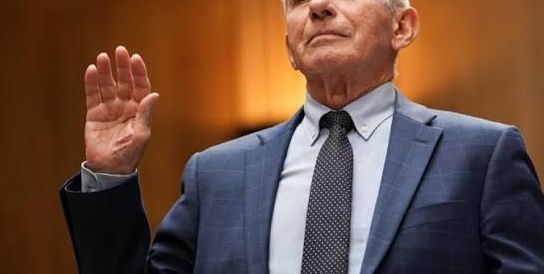
(autopen or not) issued Dr. Anthony Fauci a broad and unconditional presidential pardon giving him immunity from any federal offenses committed or alleged between January 1, 2014, and January 20, 2025, while Fauci was serving in his official government roles.
BUT, what about future acts? The moment Dr. Fauci is called before a congressional committee under subpoena, that protection becomes diluted.
The Fauci Paradox: if he answers questions, he may create new exposure to state prosecution or perjury charges; if he refuses to answer, he risks being held in contempt of Congress and “appears” guilty and more.
To see why anyone in Congress might say Fauci cannot simply stay silent, let us look to an old but important Supreme Court case: the 1896
Brown v. Walker. The Supreme Court ruled
the Fifth Amendment protects
a witness from being forced to give testimony that could lead to criminal
punishment. It does
not exist merely to protect someone from
embarrassment, political fallout, or public criticism. In other words, if the danger of federal criminal prosecution has truly been removed—through a pardon or immunity—then the reason for invoking the Fifth Amendment may disappear with it. That is why congressional investigators point to
Brown v. Walker and argue that Biden’s pardon wiped out Fauci’s federal criminal exposure for the covered time. But Congress has the power to compel answers about those years. If federal law were the only thing that mattered, that might end the debate. But American criminal law is not that simple.
Act II: Fair is Foul, and Foul is Fair
-Macbeth
Total protection pardons don’t really exist, and starts with the text of the Constitution itself. Article II, Section 2 gives the President power to pardon only “Offences against the United States”—that is,
federal crimes. It does not erase potential state crimes. Under the
Dual Sovereignty Doctrine, the federal government and the states are separate legal authorities. A presidential pardon may block federal prosecution, but it does not stop a state district attorney, county prosecutor, or state attorney general from pursuing a separate state case. This is important because testimony to Congress isn’t secret here. If Fauci answers questions under oath, those answers can become public record. A state prosecutor watching from the sidelines could potentially use his statements to explore state-law theories involving fraud, statutory violations, or other alleged misconduct. So even if the federal pardon removes one category of risk, it may leave another one standing. So even a truthful answer could expose Fauci to state-level criminal liability. The Fifth Amendment argument is a good strategy legally.
Act III: Shall I Lay Perjury Upon My Soul?
- The Merchant of Venice
So Fauci's pardon looks backward. It covers past conduct through January 20, 2025; it does not authorize false testimony later. If Fauci testifies in 2026 and makes a materially false statement or gives testimony that prosecutors view as knowingly misleading, he could face new federal exposure for perjury or false statements, including under
18 U.S.C. § 1001. If he refuses to answer by invoking the Fifth Amendment, congressional leaders may argue that
Brown v. Walker eliminates that privilege because the federal pardon removed the covered federal criminal risk. That could lead to a contempt fight.
Act IV: The Slings and Arrows of Outrageous Fortune
- Hamlet
For a defense lawyer, the practical calculation is obvious. A contempt dispute is serious, but it is usually a fight about legal boundaries. Testifying under oath, by contrast, can create fresh criminal risk in real time. Litigating whether the Fifth Amendment still applies is the safer path than answering questions while state prosecutors, congressional investigators, and federal enforcement officials are all listening carefully and rubbing their hands. And taking the Fifth Amendment unfortunately makes you look even guiltier and further degrades your public standing.
In the end, the pardon may not give Fauci total freedom or total silence. It changes the battlefield. The federal threat may be over, or reduced, but state exposure and new testimony-based risks remain.
To plead or not to plead, dear Shakespeare? The practical answer: in a system shaped by dual sovereignty, invoking the Fifth may still be the safest harbor. But it certainly makes everyone wonder what you did and how it may have violated their own laws.