Gerrymandering is basically when politicians draw district lines to pick their voters instead of the other way around. They "shape" these areas to lock in a win for themselves. The name actually comes from a funny bit of history: back in the day, Massachusetts Governor Elbridge Gerry drew a district that looked so much like a salamander that people started calling it a "Gerry-mander!"
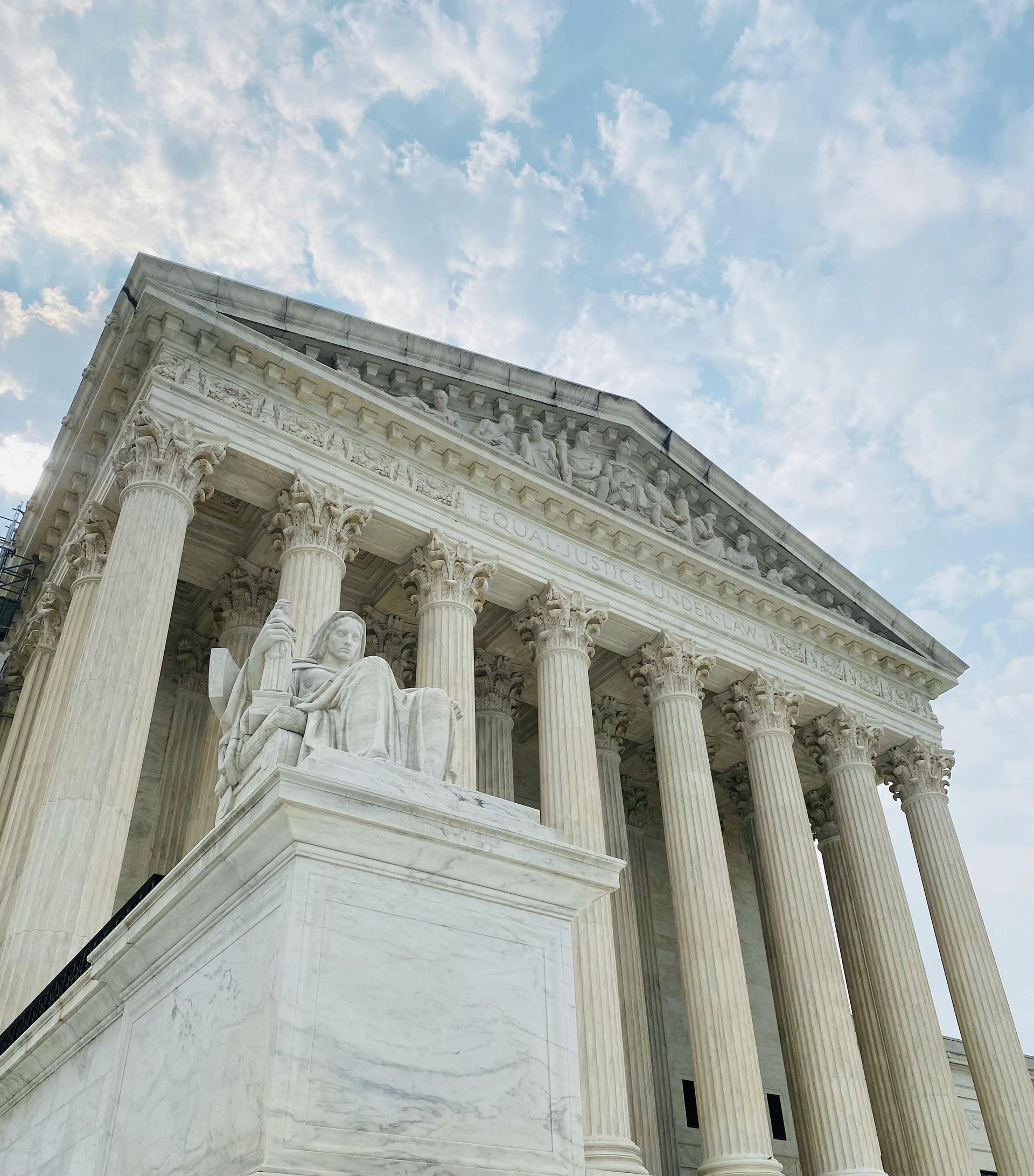
After the 2020 census, the battle over these maps moved from state legislatures right up to the Supreme Court. Just a few days ago, on April 29, 2026, the Court handed down a big 6–3 decision in *Louisiana v. Callais* that tries to balance the Voting Rights Act (VRA) with the Equal Protection Clause.
The whole thing started over Louisiana’s "SB8" map, which added a second "majority-black" district. The state said they had to do it to follow the VRA, but some voters pushed back, calling it an unconstitutional "racial gerrymander." They argued that the state was using race as the main reason for drawing the lines. It’s a tough question: if you’re drawing a district specifically to benefit one race, isn't that inherently racial?
Writing for the majority, Justice Alito ruled that the map was unconstitutional. This sets a much higher bar for using race in redistricting. He pointed out that the Constitution "almost never permits" sorting people by race and said that if a state wants to do it, they have to prove a "compelling interest"—like fixing very specific, documented cases of past discrimination.
On the other side, Justice Kagan’s dissent warned that this ruling really weakens the VRA. She argued that by forcing people to "disentangle race from politics," the Court is making it way harder to challenge maps that drown out minority voices, especially in places where how you vote and your race are closely tied together.
So, what does this actually mean for us? Basically, proving "vote dilution" now requires showing that there was an actual intent to discriminate, rather than just showing that the results were unfair. Since the Supreme Court has already said they won't police "partisan" gerrymandering, states might find it easier to defend their maps by calling them "political strategy" instead of racial demographics. Moving forward, we're still stuck with the same big question: how do we make sure our diversity is represented while keeping the law race-neutral?
#Democracy #SCOTUS #VotingRights #Redistricting #Louisiana #LawAndPolitics